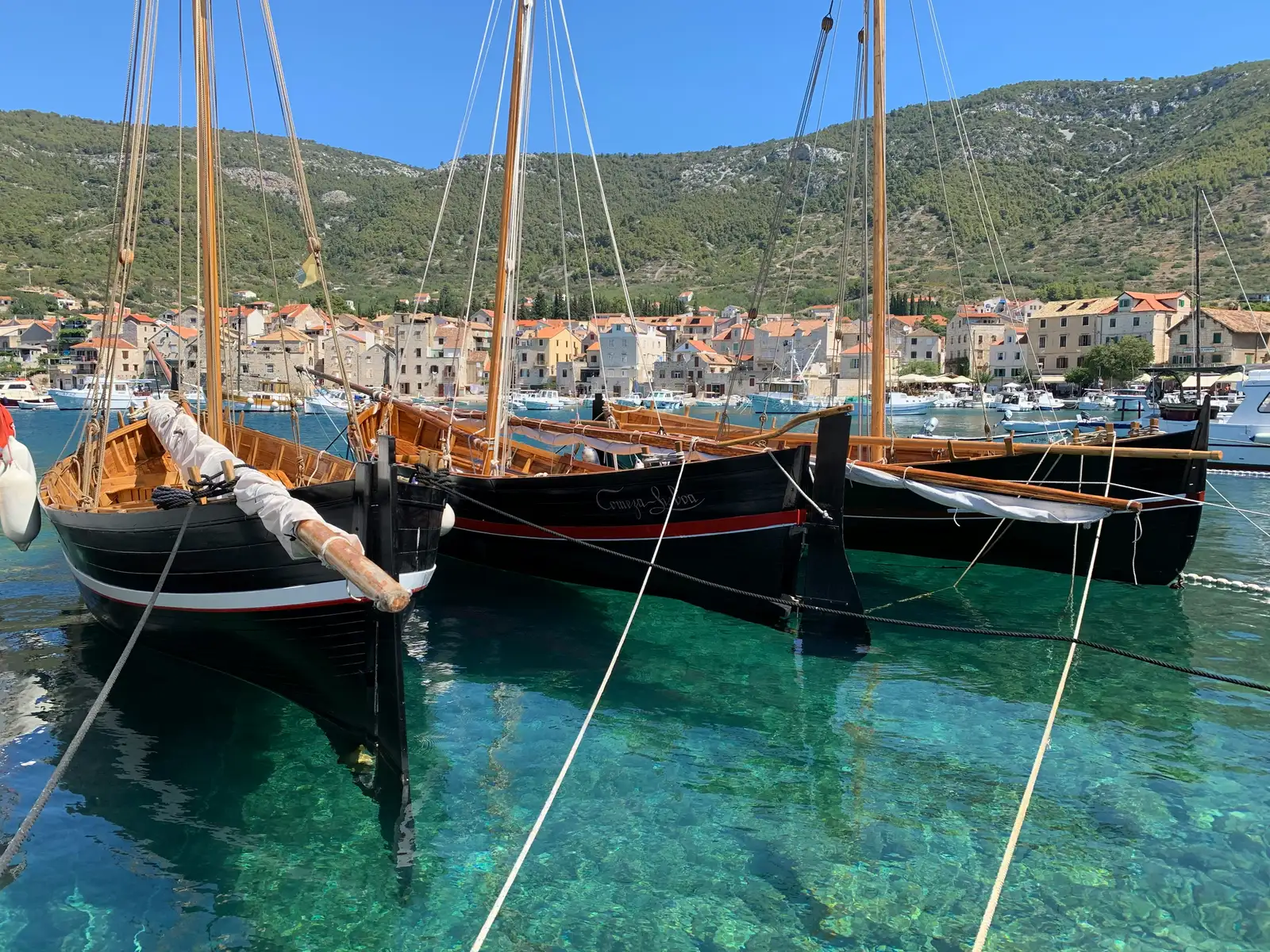

The harbor at Vis Town empties out in a particular way come the third week of September. The ferries still run, but there's more room on the quay than there was in July, more room at the tables outside Konoba Roki's, and the light on the stone hits differently by six in the evening. It's not golden hour exactly. It's something closer to amber, low and slow, and it lasts longer than you'd expect. If you've only sailed the Dalmatian coast in high summer, this version of the same water can feel like a different country.
Fall on a small ship in Croatia isn't a compromise. It's a different itinerary entirely, and for a lot of travelers, a better one.
Why September and October Work Differently
The obvious answer is heat. July and August in Split or Hvar Town can push into the mid-90s Fahrenheit, and the stone streets that make these towns beautiful also hold heat like an oven. By late September, daytime highs settle into the mid-70s. Evenings cool enough for a light jacket on deck. The sea, having spent all summer absorbing warmth, stays swimmable well into October in most years, sometimes past it.
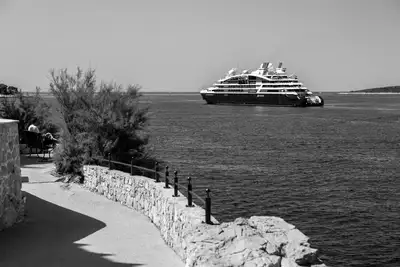
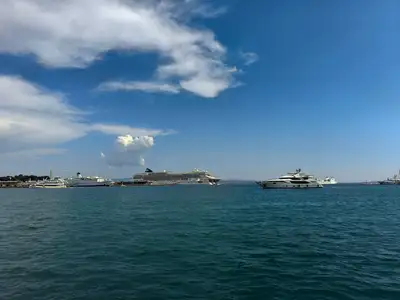
But the real shift is about crowding, and crowding on a small ship matters differently than it does on a megaship. A 28-passenger vessel anchoring off Korčula in August still has to compete for space with the day-trip catamarans and the tenders from three or four larger cruise ships stacked in the harbor. That same anchorage in late September might have your ship and one sailboat. The old town of Korčula, birthplace claimed by Marco Polo (a claim historians treat with real skepticism, worth saying plainly), stops feeling like a stage set and starts feeling like a town where people actually live, because in September, they're the only ones you see.
Prices drop too, though not as dramatically as some travelers expect. Small-ship operators in Croatia set rates by week more than by strict "peak" and "shoulder" categories, and a well-regarded gulet in early October might run 15 to 25 percent below its August rate rather than half price. Still, that's real money on a cruise that starts in the thousands per person.
The Bura, and Other Things Worth Knowing
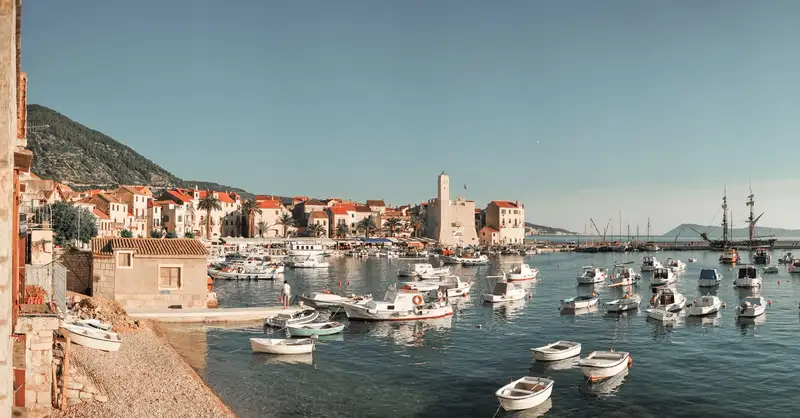
Fall sailing on the Adriatic means reckoning with the bura, the cold, dry wind that drops off the Dinaric Alps and can turn a calm channel into something unpleasant within an hour. It's most common from October through April, though it can show up in September too, usually as a two- or three-day event rather than a weeklong pattern. Captains on the Dalmatian coast watch the forecasts obsessively, and a good one will rearrange the day's route around a bura warning rather than push through it. This is one of the real advantages of small ships over the standard mid-size cruise lines: a 40-passenger vessel can duck into a sheltered channel or delay a crossing by a few hours without disrupting a schedule built for a thousand people.
What does this mean for you, practically? Build in flexibility. An itinerary that reads "Dubrovnik to Split, seven nights" in the brochure might swap the order of two stops if the wind is up, and a good operator will tell you this on day one rather than apologize for it on day four.
The other thing worth knowing: some restaurants and konobas in the smaller island towns start closing for the season in early October, particularly on islands like Vis and Lastovo where the year-round population is small and the owners themselves want a break before winter. This isn't universal. Hvar Town, Korčula, and Split stay fully operational into November because they have enough year-round trade to support it. But if your itinerary includes a stop at a specific place because of one restaurant you read about, it's worth confirming that place is still open for the dates you'll be there.
A Sample Fall Itinerary: Split to Dubrovnik, Early October
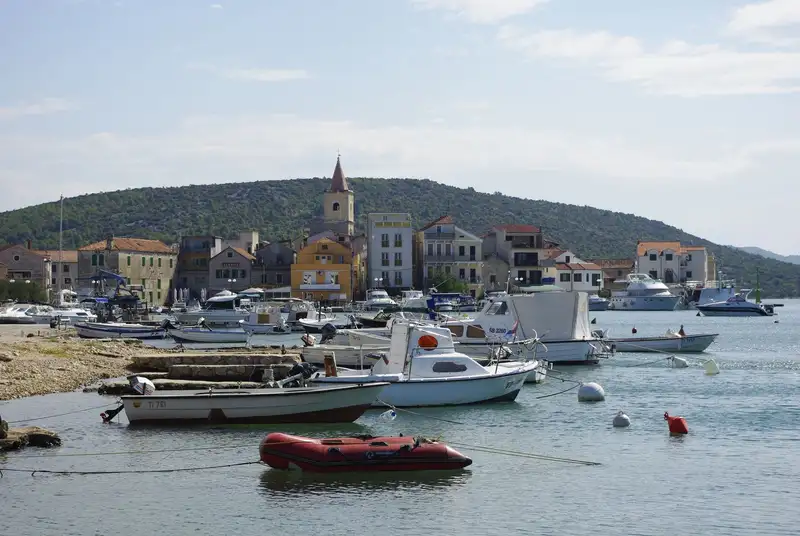
Most fall small-ship itineraries in Croatia still run the classic route between Split and Dubrovnik, just with a slower pace and fewer competing vessels at each stop. Here's roughly how a week unfolds in early October.
Split. Embarkation happens in the afternoon, which leaves a few hours to walk through Diocletian's Palace before dinner. The palace, a UNESCO World Heritage site since 1979, is genuinely emptier in October, and the substructure beneath the peristyle (the underground halls that once supported the emperor's private quarters) doesn't have the line it does in July.
Hvar. The town itself gets attention for its fortress and its nightlife reputation, but the real reason small ships include Hvar in fall is the Stari Grad Plain, the agricultural field system laid out by Greek colonists in the 4th century BC and still farmed today using the same boundaries. It's a UNESCO-listed cultural landscape, and it's the kind of place that rewards a slow walk rather than a bus tour. October is grape harvest season on the plain, which means the smell of pressed grapes drifts across the fields if you time it right.
Korčula. The old town's Statut, a medieval legal code from 1214 that regulated everything from marriage to shipbuilding, gets a mention in most guidebooks and deserves the attention. The town's cathedral of St. Mark and the narrow herringbone street pattern (designed, depending on who you ask, either to block wind or to confuse invaders) are worth an unhurried afternoon in a season when the cruise-ship crowds have thinned.
Mljet. The national park's saltwater lakes, Malo Jezero and Veliko Jezero, stay warm enough for swimming into October because the shallow, enclosed water heats and cools more slowly than the open sea. Lunch at the restaurant on the island within Veliko Jezero, reachable only by the small park boats, is one of those stops that makes the case for small ships all by itself: no megaship tender fleet could get four hundred people in and out of that lake in an afternoon, so it simply doesn't try.
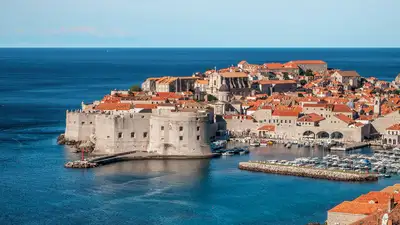
Dubrovnik. Arriving by water in the early morning, before the cruise-ship excursions have flooded the old town walls, is a different experience from arriving by bus at ten. The Dubrovnik city walls, a mile and a quarter of fortification largely intact since the 16th century, are far more walkable in October light without three thousand people ahead of you on the same narrow stretch.
Some operators run this route in reverse, starting in Dubrovnik and finishing in Split, which changes nothing about the stops but changes the order you experience them.
What Ship Type Fits the Fall Sailing Conditions
Traditional wooden gulets handle calm water beautifully but aren't stabilized, and an open crossing in a fall bura can be genuinely uncomfortable on one of the older wooden hulls. If your fall itinerary includes any longer open-water stretch (Split to Vis, for example, or the crossing to Lastovo), it's worth asking your operator directly about the vessel's stability system and how the captain handles forecasted wind. Modern steel or aluminum expedition-style ships tend to manage those crossings with less drama, though they trade some of the gulet's slower, deck-first social atmosphere for it.
This is also where the difference between a mini-cruise and a small-ship cultural charter starts to matter more than the brochures suggest. A standard 36-to-45-passenger small ship in October still runs its usual schedule: one included meal a day, a scheduled shore excursion or two, drinks and most dining on your own tab. The ports of call don't change with the season, and neither does the format. On the smaller end of the spectrum, some operators built around family-run vessels and long relationships with island communities (Culture Discovery Vacations runs one such itinerary, capped at 28 guests, built around Croatian families who host groups in their own homes rather than staged "village dinner" stops) lean into the quieter fall season specifically, since a family that can comfortably host 28 people for an evening in September might not manage 45 in the same space during the August rush. Whether that kind of access matters to you probably depends on what you actually want out of the week: postcard stops in daylight, or a dinner table where the fish came from the market that morning and the wine came from a cousin's vineyard.
Booking for 2026: What's Different in Shoulder Season
Fall itineraries for 2026 will book on roughly the same timeline as summer ones, six to nine months out for the well-regarded vessels, though the pressure is noticeably lower. A gulet that sells out its August weeks by February might still have October availability in April. That said, "still available" isn't the same as "cheap," and the Croatian National Tourist Board doesn't publish official pricing data by season, so most of what you'll find is operator-specific rather than industry-wide.
Deposits and cancellation terms follow the same pattern year-round on most Croatian small-ship charters: 30 percent at booking, balance due 60 to 90 days out, with strict retention terms (often 50 percent inside 60 days, full payment inside 30) if you cancel. Fall bookings don't get more forgiving cancellation policies just because it's shoulder season, which surprises some travelers.
If you're weighing whether to book through a specialist agent versus directly with an operator, the tradeoffs are worth thinking through properly rather than defaulting to whichever website loads first. The DIY vs guided tours framework that TripPlan built out for general trip planning applies here too: agents who know the Adriatic market can often place you on a better cabin or a better week than a public booking calendar shows, but that access comes with a service fee baked into the price somewhere.
And building the actual budget for a fall cruise, once you add flights, a night or two in Split or Dubrovnik before and after, and the tipping and shore-excursion costs that don't show up in the headline price, is its own small project. A structured budgeting framework can help separate the fixed cruise cost from the softer, easier-to-underestimate expenses around it, which is where most people's fall Croatia trip actually goes over.
A Few Things Fall Won't Give You
Not everything about shoulder season is a straightforward upgrade. The days are shorter, which cuts into the long, lazy afternoon swim stops that define a July sailing. Some of the smaller island festivals and open-air concerts wind down after August. And the water, while still swimmable most years into October, is noticeably colder than a June or July dip, especially early morning before the sun's had a chance to work on it.
Is that a real loss? For some travelers, yes. If the whole point of your week is a swim stop every afternoon in bathwater-warm sea, high summer still wins.
But for travelers who've already done the July version, or who simply prefer walking Diocletian's Palace without three tour groups ahead of them, fall makes a different kind of case. The islands slow down. The towns stop performing for crowds and go back to being themselves. There's a particular quality to eating a plate of grilled fish on deck in the Pelješac Channel at 8pm in late September, jacket on, wine poured, no other ship in sight, that summer simply can't offer, no matter how good the swimming is.
Croatia's coast doesn't close for the season the way some Mediterranean destinations do. It just gets quieter, and on a small ship built to move slowly and anchor where the big ships can't, quieter turns out to be the whole point.
Comments (0)
No comments yet. Be the first!